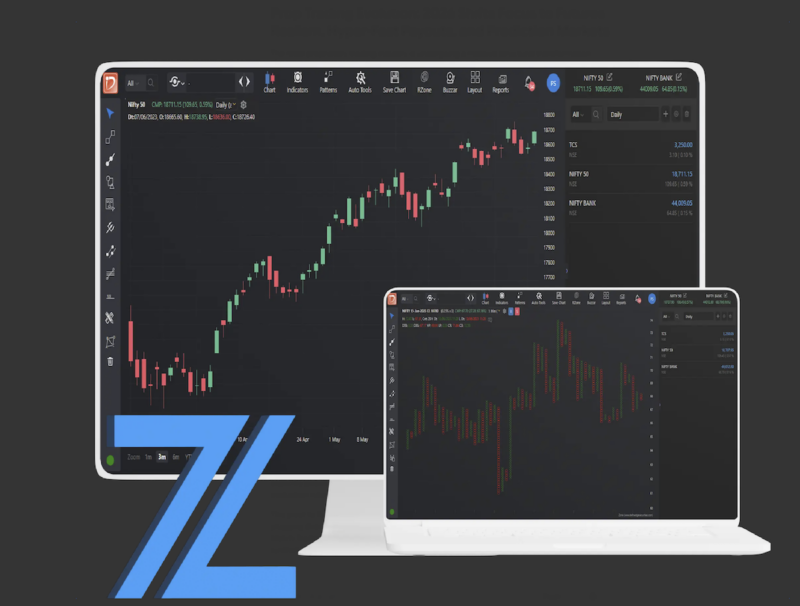
The retail proprietary trading industry is undergoing a massive structural transformation. Moving away from the loose, highly speculative FX/CFD models that dominated earlier years, the space is rapidly consolidating around institutional-grade infrastructure, strict transparency, and entirely new asset classes.
Traders are no longer just looking for the biggest headline funding amounts; instead, they are prioritizing operational longevity, payout speed, and real-market execution.
1. The Great Futures Migration & Regulatory Push
The most pronounced trend is the aggressive shift toward centralized exchanges and futures markets. Multiple legacy firms have adjusted their offerings or expanded with dedicated futures platforms. For instance, institutional-grade provider TX3 recently launched TX3 Futures, explicitly positioning itself to capture professional traders who demand stable, non-shifting evaluation rules and transparent pricing.
This pivot to futures is largely driven by a collective desire to build “built-to-last” frameworks. By plugging directly into centralized futures exchanges (like the CME via modern platforms like Match-Trader and cTrader), firms eliminate the operational conflicts of interest often found in synthetic retail CFD models.
2. The Payout War: Moving from Weeks to Minutes
Payout processing windows have shrunk drastically. In the past, traders frequently faced bi-weekly or monthly settlement periods wrapped in complex consistency rules. Today, top-tier platforms are competing purely on settlement velocity to prove their baseline liquidity:
- Ultra-Fast Windows: Emerging players like Hola Prime have introduced 1-hour payout processing metrics to dramatically reduce trader anxiety.
- Guarantees and Penalties: Established firms like Blue Guardian now offer a strict 24-hour payout guarantee. If the firm misses the processing window, the trader’s profit split automatically bumps to 100% for that transaction.
- On-Demand Flexibility: Platforms like FXIFY have removed minimum trading days entirely, allowing scalpers and news traders to extract capital immediately after closing their first funded positions.
3. Prediction Markets Enter the Chat
Proprietary trading desks are quietly pivoting toward a completely unexpected asset class: Event contracts and prediction markets.
According to recent quarterly data from research firm Acuiti, roughly 13% of proprietary trading firms are already actively trading prediction markets, with an additional 31% weighing an entry. Driven by extreme global macro volatility, major retail brokerages and infrastructure giants are rapidly laying down the plumbing. Trading Technologies recently integrated Kalshi connectivity to bring event contracts directly to professional execution desks, signaling that prediction markets are quickly formalizing into a mainstream trading discipline.
The Takeaway for MarketGrid Users: The “gamified” era of prop trading is coming to a close. Surviving firms are behaving more like traditional asset managers—offering genuine platform flexibility, actual exchange connectivity, and treating trader capital with the speed and respect of a professional business partnership.